Africa


Mt. Kilimanjaro Adventure Trek
 

"As wide as all the world, great, high, and unbelievably white in the sun,
was the square top of Mount Kilimanjaro" Ernest Hemingway

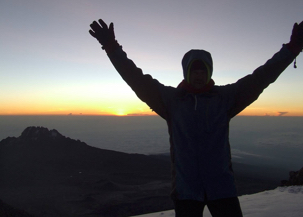
The first written reference to Mt. Kilimanjaro was by Ptolemy but even so, Africa's highest mountain and the highest free standing mountain in the world remained relatively unknown to the outside world until 1848. Snow capped and shrouded by clouds, the local Chagga people called it 'Kilema Kyaro' meaning 'that which cannot be conquered' or 'that which makes a journey impossible.' Today, it is the dream of every adventurer to conquer its summit and stand on the "roof of Africa."

There are six main routes to the top -- Marangu, Shira, Mweka, Umbwe, Rongai and Machame. The most popular routes are the Marangu and Rongai Route which starts at the Marangu Gate at 6000 ft. These routes have huts and facilities along the way. The other routes are more scenic with stunning views of the glaciers. They are also more challenging for the advanced trekker, requiring special permission and the use of tents. Regardless of the route taken, the vistas are magnificent and the flora and fauna of the different life zones are fascinating. Rain forests give way to moorlands and alpine meadows until these; too, give way to an alpine desert where lichens cling tenuously to rocks. The landscape, though desolate, is hauntingly beautiful as you walk among the clouds.

The mountain consists of three volcanoes: Shira, Mawenzi and Kibo. Shira became extinct and collapsed leaving a series of rocky ridges on the Shira plateau. Mawenzi is dormant and its jagged peaks require a technical climb. Uhuru Peak, (19,340 ft.) is Kibo's highest peak but one is considered to have "conquered" the mountain by reaching Gillman's Point at 18,635 ft.

Main Tracks on Kilimanjaro

The Machame and Umbwe Tracks are tough yet very scenic ways up Kilimanjaro. Steep forest paths, easy scrambling and airy ridges lead to the final screes and hence the crater. Nights are spent in tents. The Mweka Track is generally used to descend after either of the last two tracks.

The Shira, Nanjara and Oloitokitok Tracks are more remote but can be organised by us. The remote Lemosho Glades Track is particularly beautiful and goes through one of the few areas on Kilimanjaro that is rich in game. We offer two tracks along the Lemosho, one via Barafu Hut and the other across the Western Breach with a camp in the crater. The later Lemosho is open only to experienced mountaineers.

We also offer the Rongai and Marangu Track up Kili’s northern slopes. This track is slightly easier than its southern cousins and we have had a great deal of success up these tracks over the years. The Rongai is an interesting and beautiful track up the mountain.

Expedition Grade

The Kilimanjaro trek expedition is considered a difficult too strenuous expedition requiring a good level of fitness. High altitudes are reached while some trails are considered more difficult than others so please read trail information carefully before deciding your track.

Itinerary

Day 1 Arrive in Nairobi. We overnight in Nairobi.

Day 2 We drop off at Namanga for Mt Kilimanjaro and commence walk. We overnight on Mountain.

Day 3 We continue our climb up Mt Kilimanjaro. We overnight on Mountain.

Day 4 We continue up Mt Kilimanjaro. We overnight on Mountain.

Day 5 We reach the top of Mt Kilimanjaro. We overnight on Mountain.

Day 6 We continue our descent down Mt Kilimanjaro. We overnight on Mountain.

Day 7 We complete our descent of Mt Kilimanjaro and get dropped back at Namanga and picked by our van and drive to Nairobi. We overnight in Nairobi.

Day 8 We drive to the Masai Mara Game Park by van with pop up roof for easy viewing of wild life. Here you will get the chance to see the big 5 African animals that is Elephants, lion, leopard, rhino, buffalo, and a host of other exciting wild life. You can also get to do a balloon safari across the game park for a bird’s eye view of the wild life. We overnight in bush camp tents.

Day 9 We continue our exploration of the Masai Mara Game Park. We overnight in bush camp tents.

Day 10 We continue our exploration of the Masai Mara Game Park. We overnight in bush camp tents.

Day 11 We depart the Masai Mara Game Park and drive to Lake Nakuru National park.

Day 12 Today we depart Lake Nakuru National park and drive along the rift valley and visit Lake Naivsha for a boat ride about (1hr) you will get the chance to see the Hippos, Waterbirds, Zebras, Impala, Giraffe's, Water bucks and the like by the lake side. Then depart for Nairobi and arrive in time for lunch visit. After noon you visit the giraffe centre and Museum. After the museum visit we depart for Nairobi airport for our return flight home.

What's Included

  • 2 nights’ accommodation in Nairobi pre and post trek.

  • Arrival and departure airport transfers.

  • Enrolment in the Flying Doctor Service for emergency evacuation insurance.

  • Accommodation in mountain tents with mattresses. We use the highest quality expedition tents.

  • All meals on expedition.

  • All park fees, including mountain rescue fees, and government taxes.

  • Services of our own trained English-speaking mountain guide, and a skilled cook (serving as porter), and enough porters for your luggage, food, and water, and a dining tent.

  • Transport from your hotel to the mountain, and back to your hotel.

  • UHF radios and Satellite phones to increase your safety.

  • Average group size, 5 climbers.

  • Toilet Tent

  • Gamow Bag (High Altitude Bag) for all Crater Camp Expeditions

What's Not Included

  • Items of a personal nature such as passport, visa, and traveller’s insurance.

  • Extra meals and beverages.

  • Tips to guides and porters.

Price

We conduct expeditions up Mt Kilimanjaro all year round. So all you need to do is let us know when you’re ready to go and we will handle everything else. Keep in mind that climbs are best undertaken under a full moon. Prices are ex Nairobi for 12 Days Mt Kilimanjaro climb and Masai Mara Game safari. $2895 per person.

The Tanzanian Government has doubled the Kilimanjaro Park Fee from January 1st 2006. This is why there are price increases from the 2006 season.

Private Expeditions

We are able to organise private expeditions for those that want familiar people to join them or our scheduled departures don’t suit. We are also able to organize personalized itineraries. We can organise trips up any track at any time of year for any size of group. Our teams are based at our hotel near Nairobi year round. We also offer several scheduled trips which combine the ascent of Kilimanjaro with that of Mount Kenya or Mount Meru and a Safari in Tanzania.

Once your expedition is confirmed we will send you detailed Pre Departure Information which includes a list of recommended clothing and personal equipment, along with other relevant information to help you prepare for your trip. Prior to the trip departure from Nairobi, you will attend a detailed trip briefing and orientation meeting to make sure that you are well prepared for your river trip and trek.

Weather Conditions

Equatorial to arctic conditions are present on Kilimanjaro and Meru. The range begins with the warm, dry plains with average temperatures of 30 c, ascending through a wide belt of wet tropical forest, through zones with generally decreasing temperatures and rainfall, to the summit where there is permanent ice and below freezing temperatures. The temperature at the top of the mountain gets as low as minus 25 degrees Celsius.

Our typical food on the mountain includes:

Breakfast: coffee, tea, porridge, fruits, fruit juice, scrambled eggs/omelette, sausage, toast, margarine, honey and jam.

Lunch: hot tea, coffee, chips, sandwiches, biscuits, pancakes with honey or jam, and fruits.

Dinner: soup, cooked meat or vegetarian meal (these include chicken/beef with rice, sliced fresh carrots and green beans, mashed potatoes, and salads), fruits, and fruit juice, and variety of hot drinks. If you have special dietary requirements just let us know as we are more than willing to accommodate.

Tipping

Tipping our porters, guides and cooks is an important way for us to supplement their wages. The following is a guide on what to expect to pay while in East Africa. Guide: US$10 Porter: US$5 Assistant Guide: US$7 Cook: US$4

This tipping structure is per group/per day. This is a local payment and cannot be paid directly to Wild Spirit Adventures. The amount you tip will depend on which Track you do however on average it adds approximately US$150 – US$250 to the cost of the expedition. All companies use this tipping arrangement.

Contingencies

In case one person gets sick and has to stay behind or even return, he or she will be accompanied by one of the assistant guides while other climbers go on with the leading guide and other assistant guide(s).  Unlike most other companies who charge about US$100, we provide a free transfer from the mountain to the hotel should a climber return earlier than planned. However, if the climb is extended for any reason, we will charge $170 per day per person.

Information and Support

If you have any comments, questions or want more information, please let us know. We are here to support you with all information to help you prepare for your travels to Africa.

Clothing/Gear: Comfortable clothing will suffice for the first two days. However, many underestimate the frigid conditions of the mountain above 12,000 feet. Warm clothing is essential and should include a down-filled parka with hood, fleece shirts, warm pants, waterproof and windproof shell pants, thermal underwear, mittens, wool hat or balaclava and scarf. Good walking shoes and socks are appropriate to about 15,000 feet but sturdy hiking boots with warm socks and sock liners are needed to challenge the summit. At this altitude sun protection is necessary to bring snow goggles, dark glasses, suntan lotion and a hat with a brim to protect your face and neck. Also necessary are your water bottle, sleeping bag, trail mix, energy snacks and candy bars, flashlight, camera with film and personal toiletries including toilet paper. None are available past the park gate. It is better to bring your own gear. Equipment can be rented at the Marangu gate but the quality may not be the best and you run the risk of having to use shell pants repaired with electrical duct tape!

General Information: A passport, visa, and yellow fever certificate are required to enter Tanzania. There are exceptions to the visa and vaccination requirements but it is advisable to check with the Tanzanian Embassy for current regulations.

Bookings

If you would like to discuss this or any other matter with us please feel free to call us on (07) 54452758 or email us info@wildspiritadventures.com


Wild Spirit Pty. Ltd.
| P. O. Box 7293 | Sippy Downs, Queensland 4556 Australia
Phone +61 7 5445 2758 | Fax +61
07 5456 1649 | Mobile 0437 473 900

Skype Address wayne.wetherall

All travel arrangements are made by Spirit Holidays - Travel Agents License TAG1611


All contents © Copyright 2010. All rights reserved. 
Sitemap | Privacy Policy
Last Updated Wednesday, April 07, 2010 | Web Services by
Ron Castle Webs